A solitary, nocturnal mammal from the savannahs south of the Sahara. Westbrook keeps a breeding pair (Mama & Pepper) in the night-house of Pavilion iv. Best seen at the 16.00 viewing.
An index of
living things,
kept in Westbrook.
A working conservancy of 217 acres along the River Severn, founded as a parsonage menagerie in 1894 and held in trust since 1923. We are home to 184 species, distributed across nine pavilions and an open marsh. The plates that follow are the index of what you will see, ordered by the first letter of the common name.

Aardwolf · Antelope · Aviary
Powerfully built grazing antelope. Westbrook's herd was founded in 1981 from a Knowsley line; current bull is "Severn", born 2019. Visible from the high path across Pavilion ii.
Wading bird of the brackish marsh. Westbrook keeps eleven on the open lagoon; they migrate freely. A monthly count is posted at the gate.
Small, insectivorous hyaenid. A retiring animal; visitors should plan to spend ten minutes by the glass to see them feed.
Badger · Bison · Bee-eater
The Westbrook sett is the oldest occupied enclosure on the grounds, dating to 1899. Three generations visible.
The herd was founded in 2007 in cooperation with the Białowieża programme. Two of the calves born here have been released to Poland.
Capybara · Crane · Civet
The world's largest rodent, semi-aquatic, much beloved of the children's programme. They share Pavilion v with the marsh-deer and the avocets.
Fox · Flamingo · Falcon
Smallest of the canids, native to the Saharan sand. Westbrook keeps them in a sand house heated to 22°C year-round.
The Westbrook flock is the largest in the West of England. They are fed a beta-carotene supplement to maintain their colour through winter.
Lemur · Lynx · Lechwe
Open enclosure in the Madagascar Garden; visitors may pass through under supervision at 11.30 and 14.30.
Otter · Owl · Okapi
Released and recaptured pair from the Severn; the otters are one of the conservancy's longest-running rewilding partnerships.
Forest cousin of the giraffe. Westbrook is one of nine UK institutions to hold okapi; ours are part of the EEP studbook.
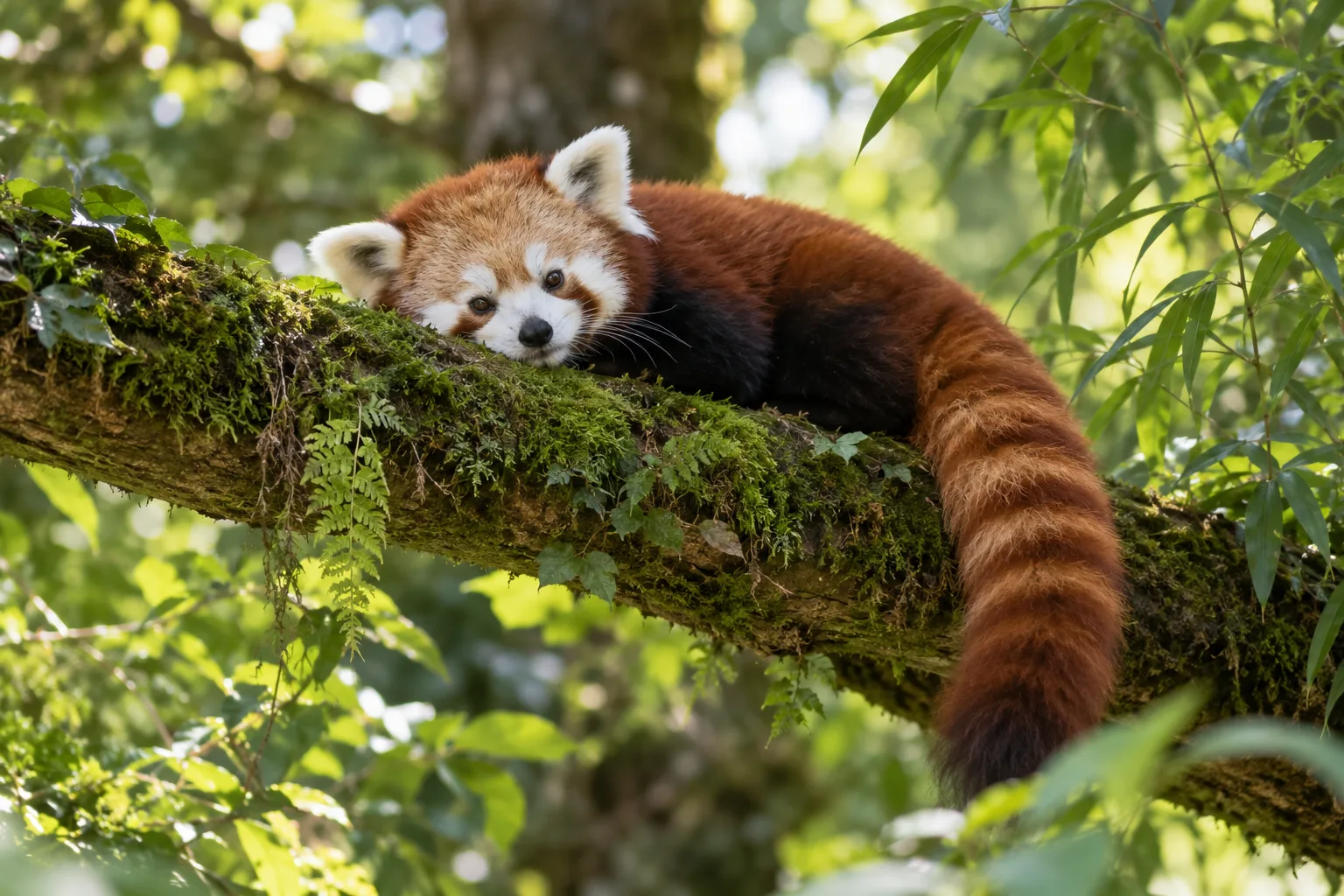
Raven · Rhinoceros · Red Panda
The conservancy's flagship animals. "Magari" arrived from Frankfurt in 2018; "Solomon" from Dvůr Králové in 2021.
Tapir · Toucan · Tortoise
Our eldest animal: "Captain Thurston", arrived from a Mauritian collection in 1934; estimated age 122.
Tickets · for today
A closer look at the living world.
Explore the habitats and check opening times and accessibility before you travel.
Plan a conservancy visit
Come curious. Leave with something new.
Find your starting point
Explore the programme, collection or calendar and choose what sparks your interest.
Plan a comfortable visit
Check opening times, access, transport and any booking requirements before setting out.
Keep the conversation going
Discover related sessions, reading and opportunities to return with a fresh perspective.
A few things
you might ask.
Do I need to book in advance?
Booking requirements vary by event or visit. Check the current programme and confirm your place where reservations are required.
Where can I find accessibility information?
Share any access or support needs with the team before your visit so appropriate arrangements can be confirmed.
Can I arrange a group visit?
Contact the team with your preferred date, group size and interests to discuss availability and suitable formats.
Plan a conservancy visit.
Explore the habitats and check opening times and accessibility before you travel.